
How UCP Hub Works
From Store to AI
01
Turning Platform Data Into Machine Understanding
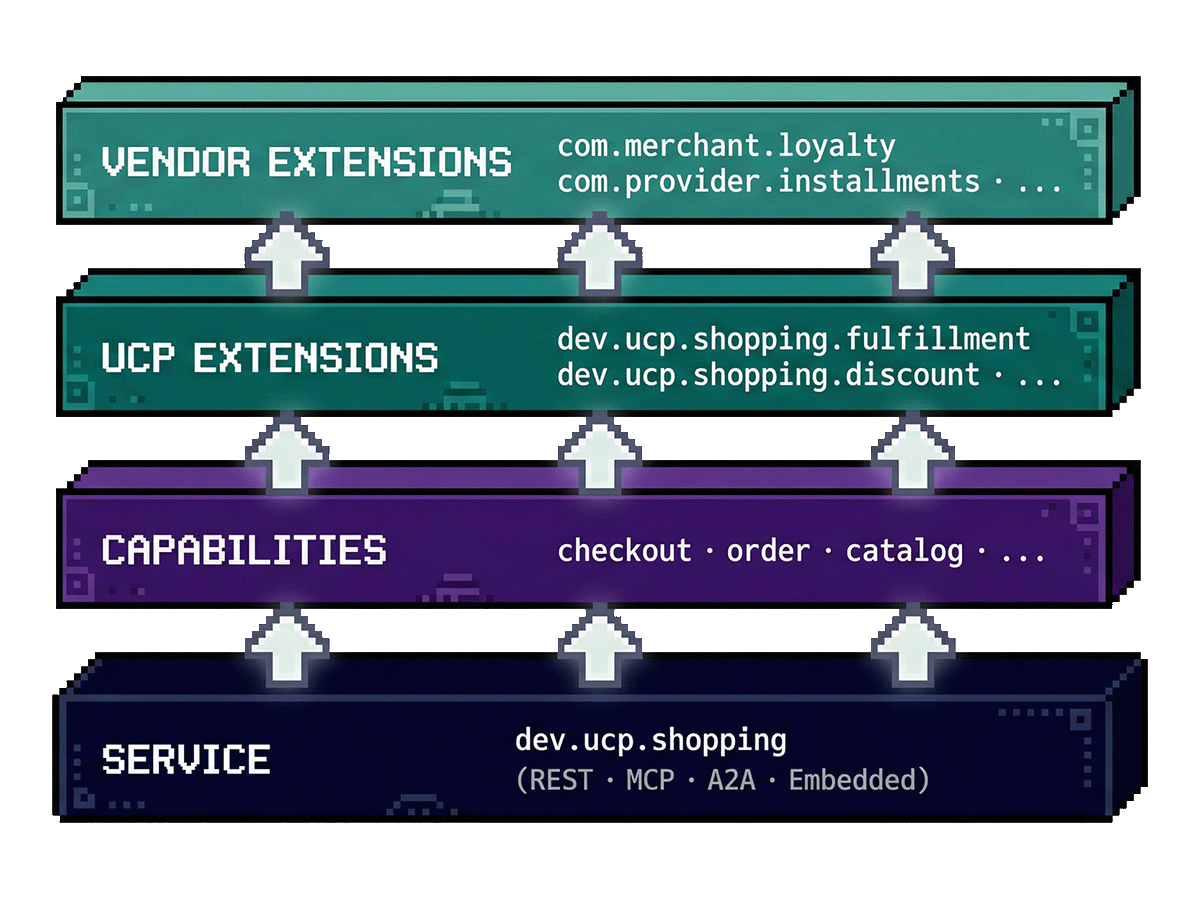
UCP Hub creates a predictable pipeline that transforms ecommerce data into AI-ready commerce information. The process is designed to be deterministic, inspectable, and reusable across contexts.
02
Connecting Your Store
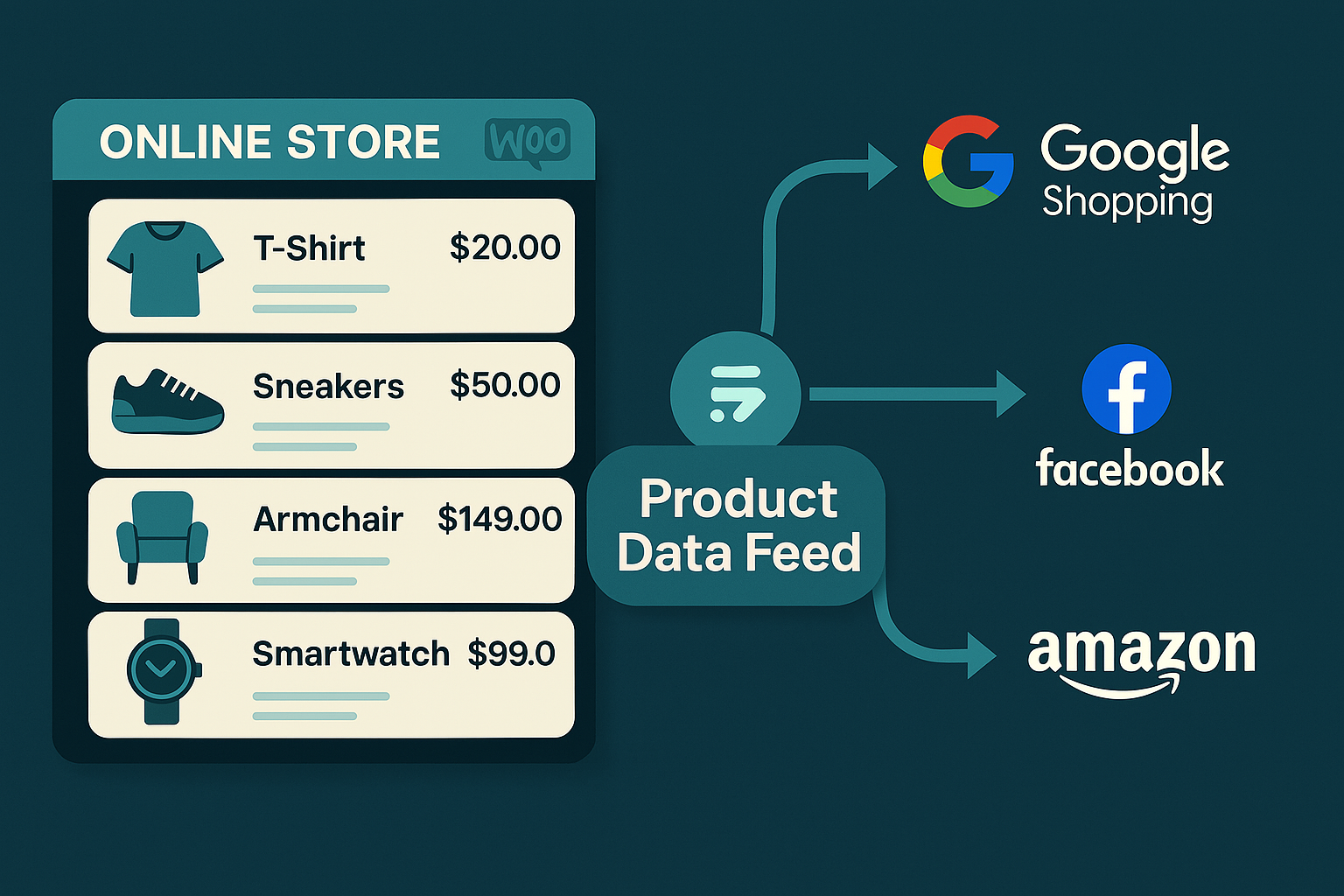
Integration begins with a platform-native plugin. Today, UCP Hub supports WooCommerce, with additional platforms following the same model. The plugin reads product, pricing, and inventory data directly from the store while respecting permissions and platform boundaries. It does not override core functionality and can be removed safely at any time.
03
Normalizing Commerce Data
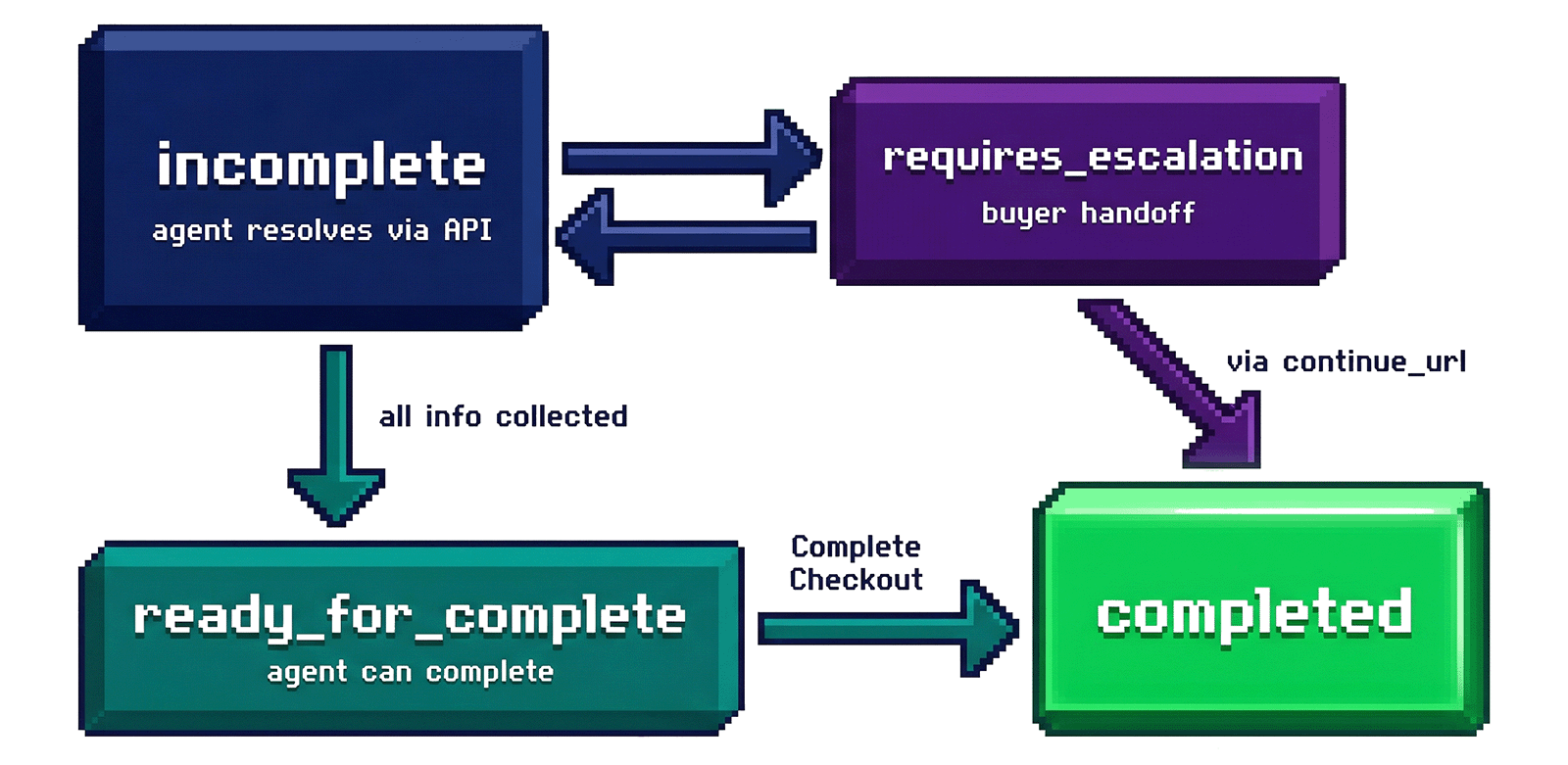
Ecommerce platforms store data in ways optimized for flexibility, not clarity. Attributes may be optional, pricing logic may be implicit, and availability rules may be scattered across settings and extensions. UCP Hub resolves this ambiguity by making assumptions explicit and encoding them into structured UCP entities.
This normalization step is critical. It is where human-oriented configuration becomes machine-oriented meaning.
04
Validation and Inspection
Before data is used anywhere, UCP Hub validates it against the UCP schema. This allows teams to inspect exactly how products, offers, and availability are represented and to identify gaps or ambiguities early. Validation ensures that downstream systems do not silently misinterpret incomplete or inconsistent data.

05
Distribution Without Rework
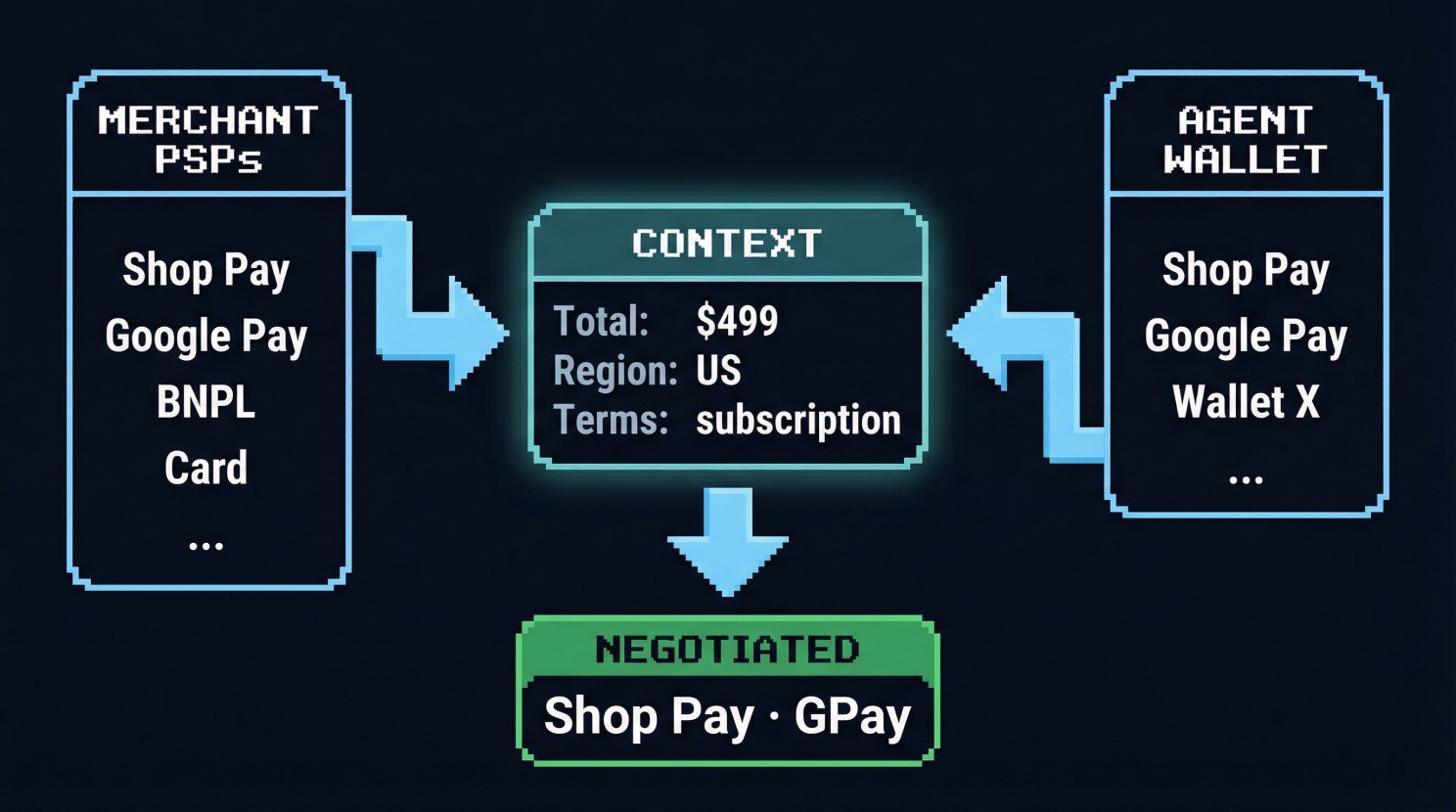
Once structured, the same UCP output can be reused across AI shopping assistants, conversational search, marketplaces, headless storefronts, and internal systems. The data does not change per channel. Only the consumer does.
06
Why AI Systems Require This Pipeline
AI systems cannot reliably infer commerce rules from pages or APIs. They cannot guess which variant is valid, whether a discount applies, or if an item is actually in stock. UCP Hub removes guesswork by encoding commerce semantics directly into the data.

Start selling on AI today!
Take your website to the next level!